NEPRA New Net Metering Policy 2026: Complete Guide for Solar Users in Pakistan
Today I am here to share a new update about solar net metering or net billing. On Monday 09 – Feb. 2026, NEPRA officially replaced the old net metering system with a new net metering policy. These new changes in net billing policy directly affects households and businesses using solar systems.
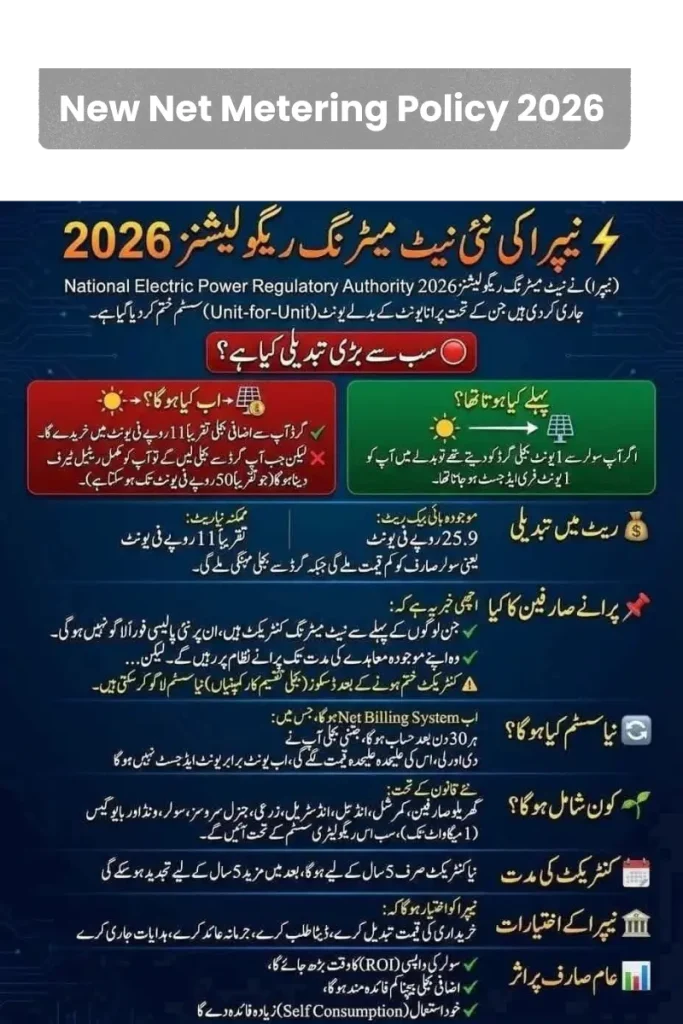
If you are planning to install solar panels or already have a system, this simple guide is specially for you!
Check your lesco bill online here
What Was the Previous System?
Under the 2015 regulations:
- Extra electricity sent to the grid was adjusted unit-to-unit.
- Exported and imported units were balanced equally.
- The buyback rate was around Rs25.9 per unit.
- Agreements lasted seven years.
This method was helpful for users to recover their investment faster.
What Is the New Net Metering Policy?
The updated structure ends one-to-one adjustment. Buying and selling electricity will now be calculated separately each month.
Key Changes
|
Feature |
Old System |
New System |
|---|---|---|
|
Unit Adjustment |
One-to-one |
Separate billing |
|
Buyback Rate |
~Rs25.9 per unit |
Likely ~Rs11 per unit* |
|
Grid Purchase Rate |
Normal tariff |
Normal tariff |
|
Agreement Term |
7 years |
5 years |
|
Policy Status |
2015 framework |
2026 regulations |
*Final notification may confirm the exact purchase price.
What Does This Mean Practically?
Here is a simple example:
- You sell electricity at around Rs11 per unit.
- You buy electricity at Rs40–50 per unit.
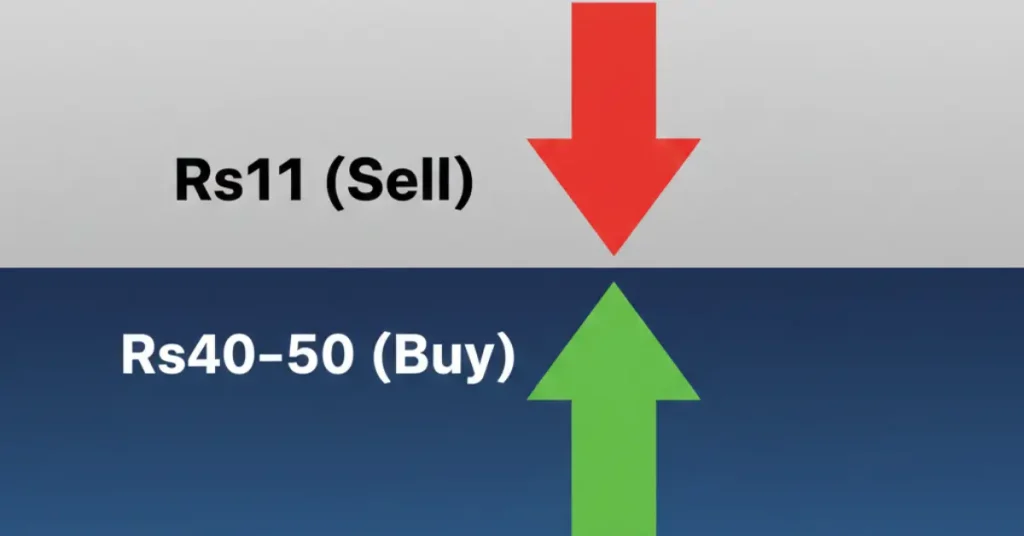
This difference reduces overall savings compared to the previous setup. Solar still helps reduce daytime bills. However, exporting large amounts to the grid is no longer as profitable.
Is the Decision Final?
Yes. The 2015 framework has been replaced. The regulations are effective immediately. Existing users will continue under their current contracts until expiry. After that, renewals will fall under the updated policy.
Important Technical Conditions
The new rules also introduce system limitations:
- Maximum system size 1 megawatt
- Capacity cannot exceed sanctioned load
- No new connection if transformer generation reaches 80%
- Systems above 250kW require load flow study
- Interconnection costs paid by consumer
- Rs1,000 per kilowatt non-refundable concurrence fee
These conditions aim to manage grid stability and financial balance.
How Will This Affect Solar Investment?
The recovery period may increase due to:
- Lower export value
- Shorter contract duration
- Higher difference between buying and selling rates
However, if most of your energy is consumed during daytime, savings remain meaningful. Smart system sizing is now more important than ever. Instead of installing a larger setup for export income, users may focus on matching production with actual usage.
Summary Checklist for Solar Users
Before installing or upgrading a system, consider:
- Your daytime electricity consumption
- Updated financial calculations
- Transformer capacity availability
- New agreement duration
- Interconnection expenses
Understanding these points will help you make a practical decision. for more details read NEPRA notification 09-02-2026
FAQs
Final Thoughts
New net metering policy change in Pakistan’s renewable landscape. It reduces export benefits and introduces tighter regulation. Existing consumers are temporarily protected, while future agreements will follow the updated framework.
If you are planning solar installation, base your decision on self-consumption strategy rather than export earnings. Clear planning and realistic expectations will protect your investment.